Finding a Reliable Dental Bearing Dealer for Quality Handpiece Bearings

Bearings Dental Handpieces

Bearings Dental Handpieces

Bearings Dental Handpieces

Bearings Dental Handpieces

Bearings Dental Handpieces

Bearings Dental Handpieces

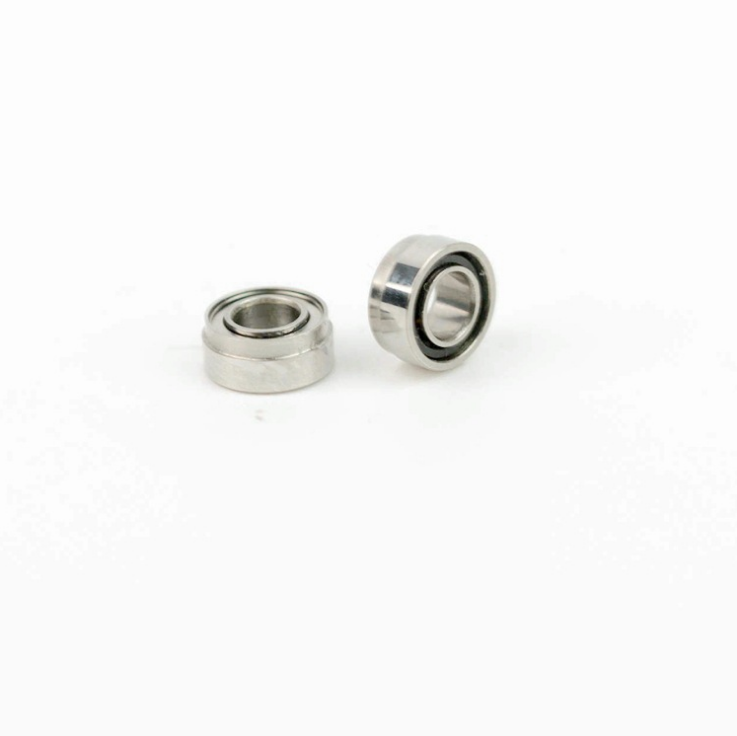
Dental handpieces require high-precision bearings to ensure smooth, quiet operation at high speeds. Choosing the right dental bearing dealer impacts the performance, durability, and efficiency of handpieces, making it essential for dental professionals and service providers to invest in the best options. In this article, we explore what makes a reliable bearing dealer and highlight key options, including brands like Myonic and NHBB, to help you make an informed choice.

Why Quality Bearings Matter in Dental Handpieces

Dental bearings, especially those used in high-speed handpieces, must withstand high RPMs while delivering consistent precision. Poor-quality bearings can result in noise, vibration, and even failure, affecting patient comfort and treatment outcomes.

How to Identify a Reliable Bearing Distributor

Choosing the right bearing distributor involves looking for expertise in dental bearings, a reputation for high-quality products, and a commitment to customer support. Reliable distributors typically offer products that are compatible with various dental handpiece brands like KaVo, NSK, and Midwest.

Myonic Bearings: A Leader in High-Performance Dental Bearings

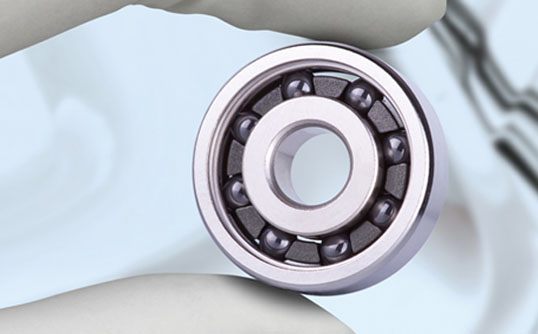
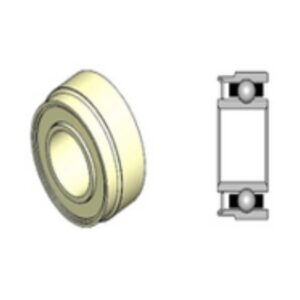
Myonic bearings are renowned for their precision and durability. Specializing in ceramic bearings with integral shields, Myonic ensures that their bearings meet the rigorous demands of the dental industry. Here’s why Myonic bearings stand out:

  • High precision with low friction for enhanced performance.
  • Compatibility with popular handpieces like KaVo and Midwest.
  • Innovative features like the Myonic Integral Shield for added protection.

The Role of NHBB Bearings in Dental Applications

NHBB (New Hampshire Ball Bearings) provides quality bearings that are used across various industries, including dental. Known for their reliability in high-speed handpieces, NHBB bearings offer:

  • Stainless steel options for enhanced durability.
  • Compact designs suitable for miniature handpiece applications.
  • A proven record of performance in demanding environments.

Understanding Compatibility with Leading Handpiece Brands

Whether you’re working with KaVo, Midwest Stylus, or Bien Air handpieces, selecting compatible bearings is essential for optimal performance. Look for bearings specifically designed for the following:

  • KaVo 635B: Known for precision, KaVo handpieces benefit from high-speed, low-friction bearings.
  • Midwest Stylus: Demands high-performance bearings that can handle extended use.
  • Bien Air and NSK: Require bearings that meet high RPMs without overheating or vibration.

Ceramic vs. Stainless Steel Bearings: Which Is Best for Your Handpiece?

Dental bearings typically come in ceramic and stainless steel varieties, each offering unique advantages:

  • Ceramic bearings are lightweight, offer higher speeds, and reduce friction.
  • Stainless steel bearings provide durability and corrosion resistance, making them ideal for certain high-stress applications.

How to Extend the Lifespan of Dental Bearings

Maintaining dental bearings extends the lifespan of your handpiece and improves patient care. Simple practices, such as avoiding excessive pressure during procedures and regularly cleaning the handpiece, can make a significant difference.

The Importance of Precision and RPM in Dental Bearings

Precision and RPM capabilities are critical in selecting the right bearing for dental applications. High-precision bearings help maintain accuracy and prevent vibration, while RPM capacity ensures the handpiece operates at optimal speed without compromising the bearing’s integrity.

The Advantages of Choosing a Specialized Dental Bearing Dealer

A specialized dental bearing dealer offers the experience and expertise necessary for sourcing the right components. They provide technical support, ensuring each bearing is suited to its specific handpiece model, from contra angles to low-speed applications.

Frequently Asked Question

Our FAQ section covers common questions about our dental bearings, including types, materials, quality control, customization, and global shipping to help you make informed decisions.

Provide the exact handpiece model and existing bearing code for a model-specific review.

Ask whether a material specification is available for the exact bearing code.

Compare the applicable product documents for the exact items, if available; confirm the intended handpiece model separately.

Ask whether model-specific service-life evidence is available. A general interval may not apply to an individual item.

Ask for current documents identifying the responsible entity, scope and applicable product before relying on a compliance statement.

Ask whether test results are available for the exact bearing model before relying on a performance value.

For a specific bearing, request the applicable drawing, material and tolerance information, inspection criteria, and any available test report. Share the handpiece model and bearing code so the documents can be matched to the exact part. Test coverage and acceptance limits vary by item.

Lead time depends on the exact part number, quantity, and stock or production status. Include your destination and required date in the RFQ and request a written lead-time confirmation for that order.

For a nonstandard bearing, send a drawing or sample, the required dimensions and tolerances, estimated quantity, and application details. Feasibility, material options, minimum order quantity, and documentation must be confirmed for the specific request.
Follow the handpiece manufacturer’s instructions for cleaning, lubrication, sterilization, and service intervals. Maintenance requirements can vary by handpiece and bearing assembly; use the applicable IFU for your exact model.

For volume pricing, specify the exact bearing code or drawing, estimated order quantity, and delivery schedule. Request a quotation with the applicable quantity breaks and terms.

Include the destination country and quantity in your inquiry. Available shipping methods, cost, import responsibilities, and delivery time should be confirmed in the quotation.

Why Choose Us

For bearing inquiries, provide the exact model or existing bearing code. Request the applicable specification and supporting documents before ordering.

How to Specify a Dental Bearing

Start with the exact handpiece brand and model, and record the code printed on the removed bearing if it is legible. A model name alone may cover several turbine or cartridge revisions, so include photos of the original part and its mounting position when available.

bearing factory
bearing

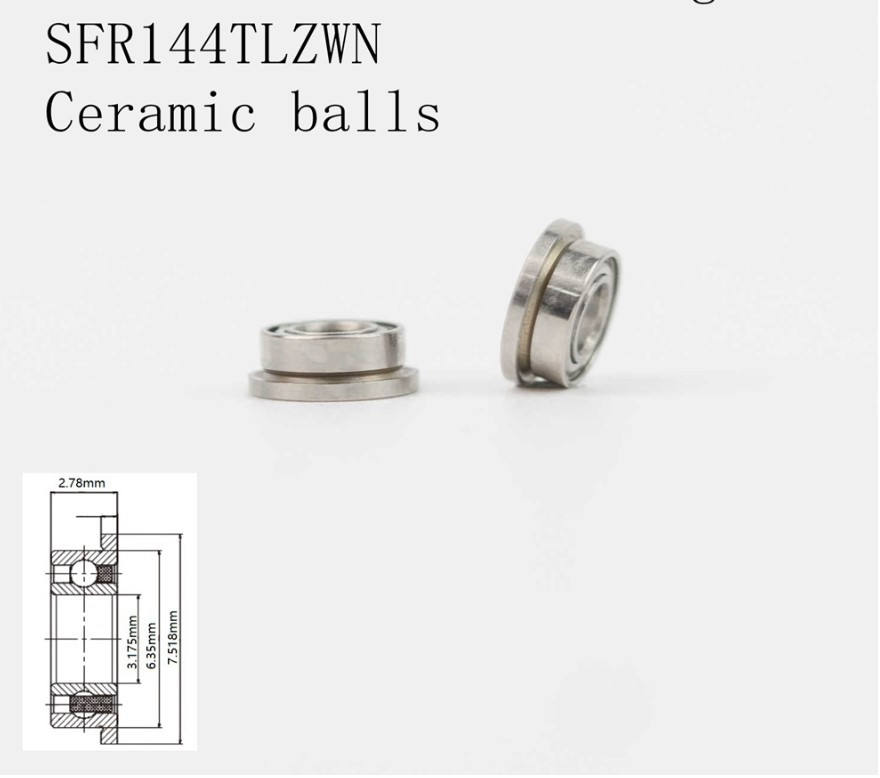
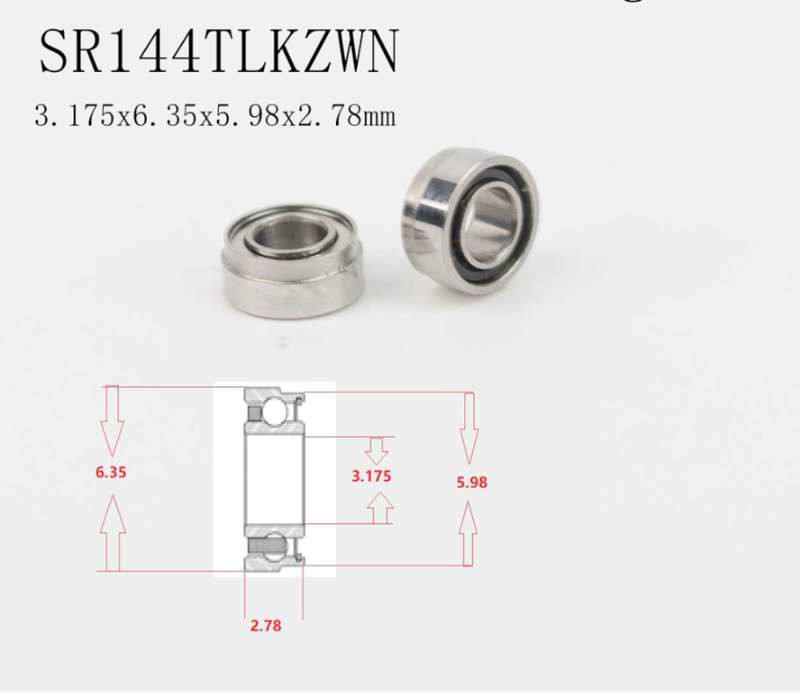
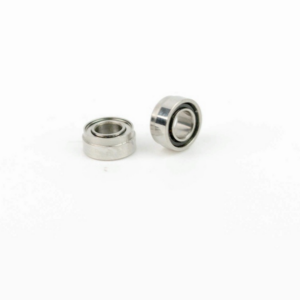
Compare the proposed bearing with the original drawing or measured sample: bore, outside diameter, width, flange geometry, shields, cage, and any markings. Material, lubrication, and sterilization requirements need part-specific confirmation; do not infer them from a similar-looking model or product photo.

For an accurate quotation, send the bearing code or handpiece model, photos or a drawing, required quantity, destination country, and the application or repair issue. If you need a complete turbine, cartridge, or rotor rather than a loose bearing, state that clearly in the inquiry.

bearing 2
handpiece

Before ordering, request the specification and available inspection or test documents for the exact part number. Confirm sample availability, lead time, shipping terms, and any compatibility statement in writing. Send your part details for review and a quotation.

Related Products

Scroll to Top

GET THE FREE QUOTE

Fill out the form below, and we will be in touch shortly.