Dental Bearing Upgrades: Boosting Performance and Reliability in Handpieces

Upgrading your dental handpiece bearings can greatly enhance the performance, speed, and reliability of your dental tools. With the latest advancements in ceramic bearings and other high-performance components, dental handpieces can now operate more efficiently, offering smoother operation and increased durability. In this guide, we will discuss how dental bearing upgrades can improve the performance of your dental handpieces, the benefits of new-generation bearings, and what to consider when choosing the right upgrade for your practice.

Why Upgrade Your Dental Bearings?

Enhanced Performance with New Generation Bearings

One of the primary reasons to consider a dental bearing upgrade is to improve the performance of your dental handpieces. Traditional steel bearings are durable but can wear out quickly under the high-speed demands of modern dental procedures. Ceramic bearings, on the other hand, offer superior wear resistance, less friction, and can operate at higher speeds, making them ideal for high-speed dental handpieces.

Upgrading to ceramic bearings provides several key benefits:

  • Higher speed capabilities: Ceramic bearings are lighter and can reach higher speeds than their steel counterparts, making them perfect for high-speed dental procedures.
  • Smoother operation: The reduced friction and lighter weight of ceramic bearings ensure smoother and quieter handpiece operation, improving precision during procedures.
  • Increased durability: Ceramic materials are more resistant to heat and wear, ensuring your handpieces last longer, even with frequent use and sterilization.

Reliability and Longevity

With modern dental bearing upgrades, reliability is significantly improved. Handpiece bearings are critical components that must endure high RPMs and intense workloads in dental practices. Traditional bearings can degrade over time, leading to noise, vibration, and reduced tool performance. By upgrading to premium ceramic bearings, you can enhance the reliability of your dental handpieces, ensuring they maintain optimal speed and precision over time.

Key reliability benefits of bearing upgrades include:

  • Longer lifespan: Ceramic dental bearings last longer than traditional bearings, meaning fewer replacements and reduced downtime.
  • Resistance to wear and tear: The increased wear resistance of ceramic materials ensures that the bearings perform well, even under heavy use.
  • Heat resistance: Upgraded bearings can withstand the high temperatures generated by high-speed turbines, reducing the risk of overheating and failure.

The Advantages of Ceramic Bearings

High-Speed Capabilities

The most significant improvement when upgrading to ceramic bearings is the boost in speed and performance. Dental handpieces that operate at high speeds rely on bearings that can handle extreme conditions. Ceramic ball bearings, known for their lightweight and low-friction properties, enable these handpieces to reach and maintain higher RPMs without sacrificing stability.

Some benefits of using high-speed ceramic bearings in dental handpieces include:

  • Increased precision: Higher speeds enable more precise drilling and cutting, which is critical for procedures like cavity preparation or crown placement.
  • Reduced downtime: Faster procedures mean less time spent on each patient, allowing for a more efficient dental practice.

Improved Turbine Performance

Dental turbines are highly dependent on the quality of their bearings. A bearing upgrade can directly improve turbine performance by providing smoother, faster rotations. Ceramic bearings can handle the demands of modern turbines that require high speeds and minimal downtime. They also minimize noise and vibration, ensuring a more comfortable experience for both the dentist and the patient.

With a ceramic-bearing upgrade, you can expect:

  • Less vibration: This results in a more controlled and accurate handpiece, improving the outcome of dental procedures.
  • Quiet operation: The reduction in noise contributes to a more professional and patient-friendly environment.

Choosing the Right Upgrade for Your Dental Handpiece

Factors to Consider

When selecting the right bearing upgrade for your dental handpiece, several factors need to be considered to ensure you are making the best choice for your practice:

  • Speed requirements: Determine whether your dental procedures require high-speed handpieces, and select bearings that can handle those speeds effectively.
  • Material type: Ceramic bearings are the preferred choice for high-speed applications due to their durability and performance, but stainless steel bearings may still be suitable for lower-speed tools.
  • Compatibility: Ensure that the upgraded bearings are compatible with your current handpieces and turbines. Some handpieces may require specific bearing sizes or types, such as push-button turbines or contra-angle handpieces.

The Role of Handpiece Parts in Upgrades

Upgrading your dental handpieces with new bearings also means ensuring that other handpiece parts are in good working order. Components such as turbines, drive shafts, and O-rings should also be checked and replaced if necessary during the upgrade process. Keeping all parts in top condition ensures that the upgraded bearings can function to their full potential.

Additionally, consider upgrading other elements such as push-button systems and air filters. These elements contribute to the overall efficiency and performance of the dental handpiece, especially when paired with a bearing upgrade.

How to Maintain Upgraded Dental Bearings

Proper Lubrication and Care

Once you’ve upgraded your dental handpiece with premium bearings, it’s important to maintain them properly to maximize their lifespan and performance. Here are some tips for caring for your upgraded bearings:

  1. Lubrication: Use high-quality lubricants that are compatible with ceramic bearings to reduce friction and prevent overheating.
  2. Regular cleaning: Keep the handpiece free from debris and contaminants to ensure the bearings operate smoothly.
  3. Sterilization: Follow proper sterilization protocols to avoid damaging the upgraded bearings. Ceramic bearings are more resistant to heat but should still be sterilized according to manufacturer guidelines.

Troubleshooting Common Issues

Even with upgraded handpiece bearings, issues may still arise if not properly maintained. Common issues include:

  • Noise and vibration: This often indicates wear or misalignment of the bearings. Regularly inspect and replace bearings as necessary.
  • Reduced speed: If the handpiece is not reaching its optimal RPM, check for proper lubrication and ensure all parts, including the bearings, are in good condition.

By addressing these issues early, you can avoid unnecessary downtime and ensure that your handpieces continue to perform at their best.

Conclusion

Upgrading your dental handpiece bearings is a worthwhile investment that can significantly enhance the speed, precision, and reliability of your dental tools. With the latest ceramic bearings offering superior performance in high-speed handpieces, you can expect smoother operation, less downtime, and improved patient outcomes. Choosing the right upgrade and maintaining your bearings properly will ensure that your dental handpieces remain a critical asset to your practice for years to come.

Frequently Asked Question

Our FAQ section covers common questions about our dental bearings, including types, materials, quality control, customization, and global shipping to help you make informed decisions.

Provide the exact handpiece model and existing bearing code for a model-specific review.

Ask whether a material specification is available for the exact bearing code.

Compare the applicable product documents for the exact items, if available; confirm the intended handpiece model separately.

Ask whether model-specific service-life evidence is available. A general interval may not apply to an individual item.

Ask for current documents identifying the responsible entity, scope and applicable product before relying on a compliance statement.

Ask whether test results are available for the exact bearing model before relying on a performance value.

For a specific bearing, request the applicable drawing, material and tolerance information, inspection criteria, and any available test report. Share the handpiece model and bearing code so the documents can be matched to the exact part. Test coverage and acceptance limits vary by item.

Lead time depends on the exact part number, quantity, and stock or production status. Include your destination and required date in the RFQ and request a written lead-time confirmation for that order.

For a nonstandard bearing, send a drawing or sample, the required dimensions and tolerances, estimated quantity, and application details. Feasibility, material options, minimum order quantity, and documentation must be confirmed for the specific request.
Follow the handpiece manufacturer’s instructions for cleaning, lubrication, sterilization, and service intervals. Maintenance requirements can vary by handpiece and bearing assembly; use the applicable IFU for your exact model.

For volume pricing, specify the exact bearing code or drawing, estimated order quantity, and delivery schedule. Request a quotation with the applicable quantity breaks and terms.

Include the destination country and quantity in your inquiry. Available shipping methods, cost, import responsibilities, and delivery time should be confirmed in the quotation.

Why Choose Us

For bearing inquiries, provide the exact model or existing bearing code. Request the applicable specification and supporting documents before ordering.

How to Specify a Dental Bearing

Start with the exact handpiece brand and model, and record the code printed on the removed bearing if it is legible. A model name alone may cover several turbine or cartridge revisions, so include photos of the original part and its mounting position when available.

bearing factory
bearing

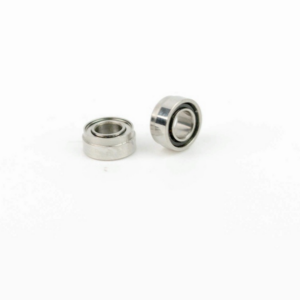
Compare the proposed bearing with the original drawing or measured sample: bore, outside diameter, width, flange geometry, shields, cage, and any markings. Material, lubrication, and sterilization requirements need part-specific confirmation; do not infer them from a similar-looking model or product photo.

For an accurate quotation, send the bearing code or handpiece model, photos or a drawing, required quantity, destination country, and the application or repair issue. If you need a complete turbine, cartridge, or rotor rather than a loose bearing, state that clearly in the inquiry.

bearing 2
handpiece

Before ordering, request the specification and available inspection or test documents for the exact part number. Confirm sample availability, lead time, shipping terms, and any compatibility statement in writing. Send your part details for review and a quotation.

Related Products

Scroll to Top

GET THE FREE QUOTE

Fill out the form below, and we will be in touch shortly.