Dental Bearings for High-RPM Tools: Maximizing Precision and Durability

Bearings Dental Handpieces

Bearings Dental Handpieces

Bearings Dental Handpieces

Bearings Dental Handpieces

Bearings Dental Handpieces

Bearings Dental Handpieces

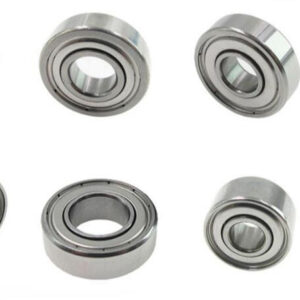
Dental handpieces, especially those operating at high speeds (RPM), rely on precision components to deliver smooth and efficient performance. One of the most crucial components is the dental bearing. These high-speed bearings reduce friction, ensure smooth rotations, and contribute to the accuracy and longevity of dental instruments. In this article, we will explore the key features, materials, and applications of dental bearings for high-RPM tools, with a special focus on ceramic and hybrid bearings.

What Are Dental Bearings and Why Are They Important?

The Role of Dental Bearings in Handpieces

Dental bearings are critical to the functionality of high-speed dental handpieces. By facilitating smooth rotational movement, these precision bearings allow dental drills and handpieces to operate at high speeds without overheating or experiencing wear. They are especially important for tools that rotate at over 300,000 RPM, where precision and durability are essential for both the dentist’s accuracy and patient comfort.

There are several types of dental bearings, including:

  • Ball bearings: These use small, precision-engineered balls to reduce friction.
  • Ceramic bearings: Known for their heat resistance, durability, and lightweight nature.
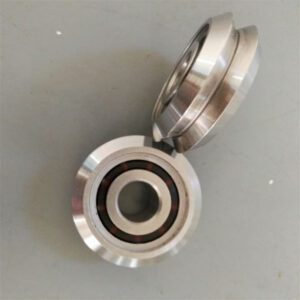
  • Hybrid bearings: Combine ceramic balls with steel races, offering a balance of strength and smooth operation.

How High-RPM Dental Bearings Work

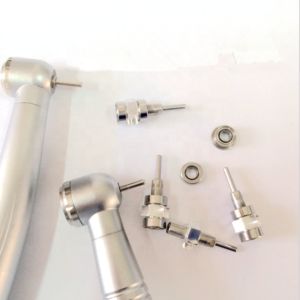
At high speeds, friction and heat are major concerns. Dental handpiece bearings reduce this friction between the moving components of the handpiece. By minimizing the resistance, these bearings ensure that the turbine, which powers the dental drill, rotates freely and efficiently.

A properly functioning dental bearing:

  • Increases precision: Ensures the dental drill operates smoothly for more accurate cutting and shaping.
  • Extends tool lifespan: Reduces wear on both the handpiece and the bearing itself, especially in high-speed dental tools.
  • Improves patient comfort: Minimizes noise and vibration during procedures.

Key Materials Used in Dental Bearings

Ceramic Bearings for High-Speed Applications

One of the most common materials for high-speed dental bearings is ceramic. Ceramic bearings are highly valued for their lightweight nature, wear resistance, and low friction properties. These bearings are particularly suited to the demands of high-RPM tools, as they can handle the intense rotational speeds without deforming or overheating.

Benefits of ceramic bearings include:

  • Heat resistance: Ceramic can withstand high temperatures, a critical feature for high-speed dental drills.
  • Longer lifespan: Ceramic balls are more durable than steel, lasting longer and requiring less frequent replacement.
  • Corrosion resistance: Ceramic is less affected by moisture and chemicals, ensuring a longer life even in the demanding environment of dental sterilization.

Hybrid Bearings: Combining Strength and Precision

Hybrid bearings combine the best of both worlds by utilizing ceramic balls and stainless steel races. This combination offers superior strength and durability while maintaining the low friction characteristics of ceramic materials.

Advantages of hybrid bearings include:

  • Strength and durability: The steel races provide structural integrity while the ceramic balls reduce friction.
  • Lower operating temperatures: The combination of materials helps dissipate heat more efficiently, prolonging the life of the handpiece.
  • Reduced weight: Hybrid bearings are lighter than full stainless steel bearings, improving handpiece performance at high speeds.

Stainless Steel Bearings: The Traditional Choice

While ceramic and hybrid bearings are gaining popularity, stainless steel bearings remain a staple in the industry. Though they may wear out more quickly than ceramic bearings in high-RPM applications, they are more affordable and still offer good corrosion resistance.

Stainless steel bearings are often used in lower-speed applications, where they provide a cost-effective solution for dental handpieces that do not require the high heat resistance of ceramic or hybrid materials.

Applications of Dental Bearings in High-Speed Tools

High-Speed Dental Drills and Handpieces

High-speed dental handpieces are the primary application for ceramic and hybrid bearings. These handpieces are used in a variety of dental procedures, including:

  • Cavity preparation: Where precise drilling is required to remove decay without damaging surrounding tooth structure.
  • Crown and bridge preparation: Involves high-speed shaping of teeth to prepare for restorations.
  • Endodontic procedures: Where smooth, high-speed drilling ensures the clean removal of infected tissue.

For these applications, high-speed dental bearings ensure that the handpiece operates smoothly, with minimal noise and vibration. This contributes to both the quality of the procedure and patient comfort.

Low-Speed Tools and Other Dental Instruments

While high-RPM tools demand ceramic or hybrid bearings, stainless steel bearings are commonly used in low-speed dental handpieces and other instruments. These include tools used for polishing, finishing, and scaling, where speed is less critical but durability and cost-efficiency are still important.

Rolling Elements in Dental Bearings

The rolling elements, typically balls in ball bearings, are responsible for the smooth rotation of the handpiece. These rolling elements can be made from either ceramic or steel, depending on the bearing type. In full ceramic bearings, both the balls and the races are made from ceramic, providing the highest level of performance in terms of wear resistance and speed tolerance.

Precision Manufacturing and Maintenance of Dental Bearings

Precision Manufacturing of Dental Bearings

The manufacturing of dental bearings for high-speed applications requires extreme precision. Bearings must meet stringent quality standards to ensure they can withstand the high RPMs without failing. Full ceramic bearings and hybrid bearings are produced using advanced technologies that allow for tighter tolerances and greater precision, making them suitable for the demanding conditions of dental procedures.

Maintenance Tips for Maximizing Bearing Lifespan

To extend the life of dental handpiece bearings, regular maintenance is essential. Here are some tips for keeping bearings in optimal condition:

  1. Regular lubrication: Lubricating the bearings reduces friction and prevents overheating. Be sure to use the right lubricant for your specific handpiece.
  2. Sterilization: Ensure proper sterilization procedures to avoid contamination that could damage the bearings. Ceramic bearings are less affected by moisture and heat, making them ideal for frequent sterilization.
  3. Proper handling: Avoid dropping or applying excessive force to the handpiece, as this can damage the delicate bearings.

By following these maintenance tips, dental professionals can reduce the need for frequent replacements, saving time and money in the long run.

Conclusion

Dental bearings are a critical component in ensuring the smooth operation of high-speed dental tools. The use of ceramic, hybrid, and stainless steel bearings allows for a wide range of options depending on the specific demands of the tool and procedure. Ceramic bearings, in particular, stand out for their durability, heat resistance, and ability to handle the extreme RPMs of high-speed dental handpieces.

Whether you’re working with a dental drill, turbine, or other high-RPM dental instruments, choosing the right bearing material is essential for precision, performance, and patient comfort. Proper maintenance and handling will further ensure that your dental bearings last longer and perform reliably in every procedure.

Frequently Asked Question

Our FAQ section covers common questions about our dental bearings, including types, materials, quality control, customization, and global shipping to help you make informed decisions.

Provide the exact handpiece model and existing bearing code for a model-specific review.

Ask whether a material specification is available for the exact bearing code.

Compare the applicable product documents for the exact items, if available; confirm the intended handpiece model separately.

Ask whether model-specific service-life evidence is available. A general interval may not apply to an individual item.

Ask for current documents identifying the responsible entity, scope and applicable product before relying on a compliance statement.

Ask whether test results are available for the exact bearing model before relying on a performance value.

For a specific bearing, request the applicable drawing, material and tolerance information, inspection criteria, and any available test report. Share the handpiece model and bearing code so the documents can be matched to the exact part. Test coverage and acceptance limits vary by item.

Lead time depends on the exact part number, quantity, and stock or production status. Include your destination and required date in the RFQ and request a written lead-time confirmation for that order.

For a nonstandard bearing, send a drawing or sample, the required dimensions and tolerances, estimated quantity, and application details. Feasibility, material options, minimum order quantity, and documentation must be confirmed for the specific request.
Follow the handpiece manufacturer’s instructions for cleaning, lubrication, sterilization, and service intervals. Maintenance requirements can vary by handpiece and bearing assembly; use the applicable IFU for your exact model.

For volume pricing, specify the exact bearing code or drawing, estimated order quantity, and delivery schedule. Request a quotation with the applicable quantity breaks and terms.

Include the destination country and quantity in your inquiry. Available shipping methods, cost, import responsibilities, and delivery time should be confirmed in the quotation.

Why Choose Us

For bearing inquiries, provide the exact model or existing bearing code. Request the applicable specification and supporting documents before ordering.

How to Specify a Dental Bearing

Start with the exact handpiece brand and model, and record the code printed on the removed bearing if it is legible. A model name alone may cover several turbine or cartridge revisions, so include photos of the original part and its mounting position when available.

bearing factory
bearing

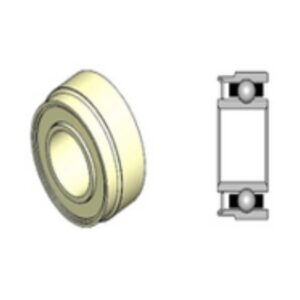
Compare the proposed bearing with the original drawing or measured sample: bore, outside diameter, width, flange geometry, shields, cage, and any markings. Material, lubrication, and sterilization requirements need part-specific confirmation; do not infer them from a similar-looking model or product photo.

For an accurate quotation, send the bearing code or handpiece model, photos or a drawing, required quantity, destination country, and the application or repair issue. If you need a complete turbine, cartridge, or rotor rather than a loose bearing, state that clearly in the inquiry.

bearing 2
handpiece

Before ordering, request the specification and available inspection or test documents for the exact part number. Confirm sample availability, lead time, shipping terms, and any compatibility statement in writing. Send your part details for review and a quotation.

Related Products

Scroll to Top

GET THE FREE QUOTE

Fill out the form below, and we will be in touch shortly.