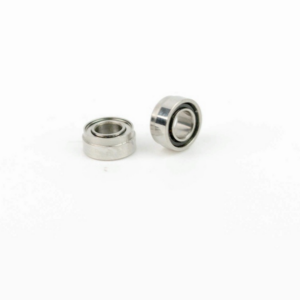
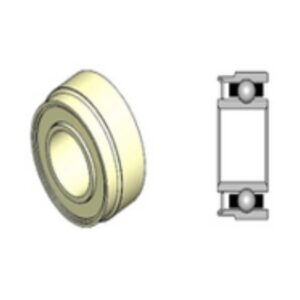
Precision Engineered High-Speed Ceramic Ball Bearings for Dental Handpieces

Ceramic Ball Bearings

Ceramic Ball Bearings

Ceramic Ball Bearings

Ceramic Ball Bearings

Ceramic Ball Bearings

Ceramic Ball Bearings

Dental professionals rely on the precision and performance of their tools to deliver high-quality patient care. One of the most critical components ensuring the smooth and efficient operation of dental handpieces is the bearing. Ceramic ball bearings, in particular, have become the gold standard for modern high-speed dental handpieces, offering unmatched durability, speed, and precision. This guide will explore the benefits of using ceramic ball bearings in dental applications, the role of hybrid ceramic bearings, and how these components enhance the overall performance of dental tools.

Why Ceramic Ball Bearings Are Essential for Dental Handpieces

The Role of Bearings in Dental Handpieces

Dental bearings are the core components responsible for the smooth rotation of the turbine in high-speed dental handpieces. These bearings allow the turbine to rotate at extremely high speeds—up to 400,000 RPM—while minimizing friction, heat buildup, and wear. With advancements in technology, ceramic ball bearings have become the preferred choice for enhancing the precision and longevity of dental handpieces.

In particular, ceramic ball bearings offer:

  • High-speed performance: The lightweight nature of ceramic material enables faster rotation speeds compared to traditional steel bearings.
  • Reduced wear: Ceramic bearings are highly resistant to wear, extending the lifespan of the handpiece.
  • Lower friction: The reduced friction offered by ceramic bearings results in smoother operation and greater precision during dental procedures.

Advantages of Ceramic Ball Bearings in High-Speed Dental Handpieces

Ceramic ball bearings provide several key benefits that make them ideal for high-speed dental handpieces:

  • Higher precision: Ceramic balls are smoother and rounder than steel balls, reducing friction and improving accuracy during high-speed rotations.
  • Improved heat resistance: Ceramic materials, such as silicon nitride, can withstand high temperatures, ensuring that the bearings don’t degrade or lose performance during prolonged use.
  • Lightweight construction: Ceramic is lighter than steel, reducing the load on the turbine and allowing for faster speeds without sacrificing control.
  • Corrosion resistance: Hybrid ceramic bearings, which combine ceramic balls with steel races, offer superior corrosion resistance, making them ideal for the sterilization processes that dental handpieces undergo regularly.

Hybrid Ceramic Bearings for Dental Handpieces

What Are Hybrid Ceramic Bearings?

A hybrid ceramic bearing consists of ceramic balls and steel races. This combination offers the best of both worlds— the strength and durability of steel races paired with the lightweight, low-friction properties of ceramic balls. These bearings are particularly well-suited for high-speed dental handpieces, where they must endure frequent use, high rotational speeds, and regular sterilization.

Advantages of hybrid ceramic bearings include:

  • Enhanced performance: The ceramic balls in a hybrid bearing generate less friction, allowing for smoother and quieter handpiece operation.
  • Greater durability: Ceramic balls are less likely to deform under stress, contributing to a longer bearing life.
  • Resistance to heat and corrosion: Hybrid bearings perform well under high temperatures and are more resistant to corrosion, ensuring reliability even after repeated autoclaving.

Hybrid Ceramic Bearings vs. Full Ceramic Bearings

While hybrid ceramic bearings are commonly used in dental handpieces, full ceramic bearings also offer significant benefits. Full ceramic bearings are made entirely of ceramic materials, including both the balls and races. These bearings provide the highest level of heat and corrosion resistance and are often used in environments where extreme durability and precision are required.

Key differences include:

  • Hybrid ceramic bearings: A blend of ceramic balls and steel races, offering a balance between strength and low friction.
  • Full ceramic bearings: Both the balls and races are made from ceramic materials, providing the ultimate in high-temperature and corrosion resistance, though they may be more fragile than hybrid bearings.

Types of Bearings Used in Dental Handpieces

Deep Groove Ball Bearings

Deep groove ball bearings are one of the most common types of bearings used in dental handpieces. These bearings feature deep, circular grooves that allow for high-speed rotation while supporting both radial and axial loads. In dental applications, deep groove bearings are valued for their ability to handle high speeds with minimal vibration and noise.

Ceramic deep groove ball bearings are especially suited for high-speed dental tools, offering:

  • High rotational speeds: The design of deep groove ball bearings supports the fast rotational speeds required in dental procedures.
  • Reduced noise and vibration: The smooth operation of ceramic balls ensures quieter handpiece performance, improving the patient experience.

Angular Contact Ball Bearings

For applications requiring both high precision and the ability to support heavier loads, angular contact ball bearings are an excellent option. These bearings are designed to support combined radial and axial loads, making them ideal for more demanding dental procedures where both speed and load-bearing capacity are crucial.

Specialized Bearings for Dental Turbines

Dental turbines are driven by air pressure and require bearings that can handle extreme speeds and constant use. Ceramic ball bearings are widely used in these turbines due to their heat resistance, smooth operation, and ability to endure the stresses of daily sterilization.

Manufacturers such as KaVo, NSK, and Bien Air incorporate high-precision ceramic bearings into their dental turbines to ensure optimal performance and longevity. These bearings are engineered to meet the rigorous demands of high-speed operations, enabling dentists to perform with confidence and precision.

Maintenance and Lubrication of High-Speed Ceramic Bearings

Importance of Proper Lubrication

To ensure the longevity and performance of ceramic ball bearings in dental handpieces, proper lubrication is essential. Lubrication helps reduce friction and heat buildup, preventing premature wear and ensuring that the bearings can perform at their maximum potential.

Tips for maintaining your high-speed dental bearings:

  • Use high-quality lubricants: Ensure that the lubricant is compatible with ceramic bearings and designed for use in high-speed applications.
  • Follow manufacturer guidelines: Over-lubricating or under-lubricating can damage the bearings, so it’s important to follow the manufacturer’s recommendations.
  • Regular maintenance: Clean and inspect your dental handpieces regularly to ensure they are free from debris and contaminants that could affect the bearings’ performance.

Extending the Life of Your Dental Handpieces

In addition to proper lubrication, regular maintenance and handling can significantly extend the lifespan of your dental handpiece bearings. Factors such as excessive force, improper cleaning, and incorrect storage can lead to premature bearing failure.

  • Sterilization: Always follow the proper sterilization process to prevent bearing degradation. While ceramic bearings are highly resistant to heat, excessive temperatures can still impact their performance.
  • Handling: Avoid dropping or applying excessive pressure to your handpieces, as this can damage both the bearings and the turbine.

Conclusion

Precision-engineered ceramic ball bearings are the backbone of modern high-speed dental handpieces. With their ability to handle extreme speeds, resist wear, and provide smooth, precise operation, these bearings are essential for maintaining the high standards required in dental procedures. Whether you opt for hybrid ceramic bearings or full ceramic bearings, investing in quality components ensures the durability, performance, and reliability of your dental tools.

By choosing the right bearings and maintaining them with proper lubrication and care, dental professionals can optimize their handpieces for years of efficient use. For the best results, partnering with trusted manufacturers like KaVo, NSK, and Bien Air ensures access to the highest-quality precision bearings designed specifically for the dental industry.

Frequently Asked Question

Our FAQ section covers common questions about our dental bearings, including types, materials, quality control, customization, and global shipping to help you make informed decisions.

Provide the exact handpiece model and existing bearing code for a model-specific review.

Ask whether a material specification is available for the exact bearing code.

Compare the applicable product documents for the exact items, if available; confirm the intended handpiece model separately.

Ask whether model-specific service-life evidence is available. A general interval may not apply to an individual item.

Ask for current documents identifying the responsible entity, scope and applicable product before relying on a compliance statement.

Ask whether test results are available for the exact bearing model before relying on a performance value.

For a specific bearing, request the applicable drawing, material and tolerance information, inspection criteria, and any available test report. Share the handpiece model and bearing code so the documents can be matched to the exact part. Test coverage and acceptance limits vary by item.

Lead time depends on the exact part number, quantity, and stock or production status. Include your destination and required date in the RFQ and request a written lead-time confirmation for that order.

For a nonstandard bearing, send a drawing or sample, the required dimensions and tolerances, estimated quantity, and application details. Feasibility, material options, minimum order quantity, and documentation must be confirmed for the specific request.
Follow the handpiece manufacturer’s instructions for cleaning, lubrication, sterilization, and service intervals. Maintenance requirements can vary by handpiece and bearing assembly; use the applicable IFU for your exact model.

For volume pricing, specify the exact bearing code or drawing, estimated order quantity, and delivery schedule. Request a quotation with the applicable quantity breaks and terms.

Include the destination country and quantity in your inquiry. Available shipping methods, cost, import responsibilities, and delivery time should be confirmed in the quotation.

Why Choose Us

For bearing inquiries, provide the exact model or existing bearing code. Request the applicable specification and supporting documents before ordering.

How to Specify a Dental Bearing

Start with the exact handpiece brand and model, and record the code printed on the removed bearing if it is legible. A model name alone may cover several turbine or cartridge revisions, so include photos of the original part and its mounting position when available.

bearing factory
bearing

Compare the proposed bearing with the original drawing or measured sample: bore, outside diameter, width, flange geometry, shields, cage, and any markings. Material, lubrication, and sterilization requirements need part-specific confirmation; do not infer them from a similar-looking model or product photo.

For an accurate quotation, send the bearing code or handpiece model, photos or a drawing, required quantity, destination country, and the application or repair issue. If you need a complete turbine, cartridge, or rotor rather than a loose bearing, state that clearly in the inquiry.

bearing 2
handpiece

Before ordering, request the specification and available inspection or test documents for the exact part number. Confirm sample availability, lead time, shipping terms, and any compatibility statement in writing. Send your part details for review and a quotation.

Related Products

Scroll to Top

GET THE FREE QUOTE

Fill out the form below, and we will be in touch shortly.