
Dental Bearings for Dental Handpieces
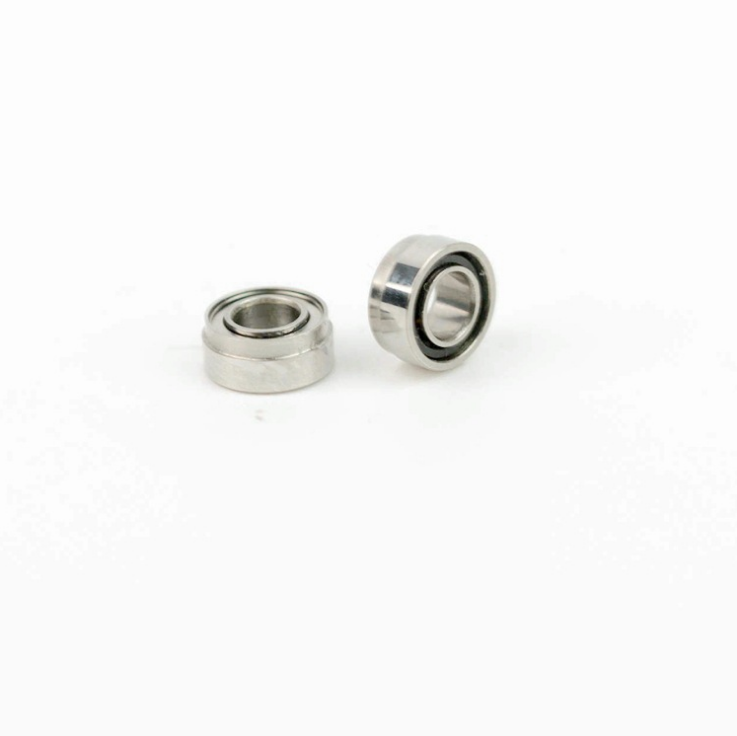
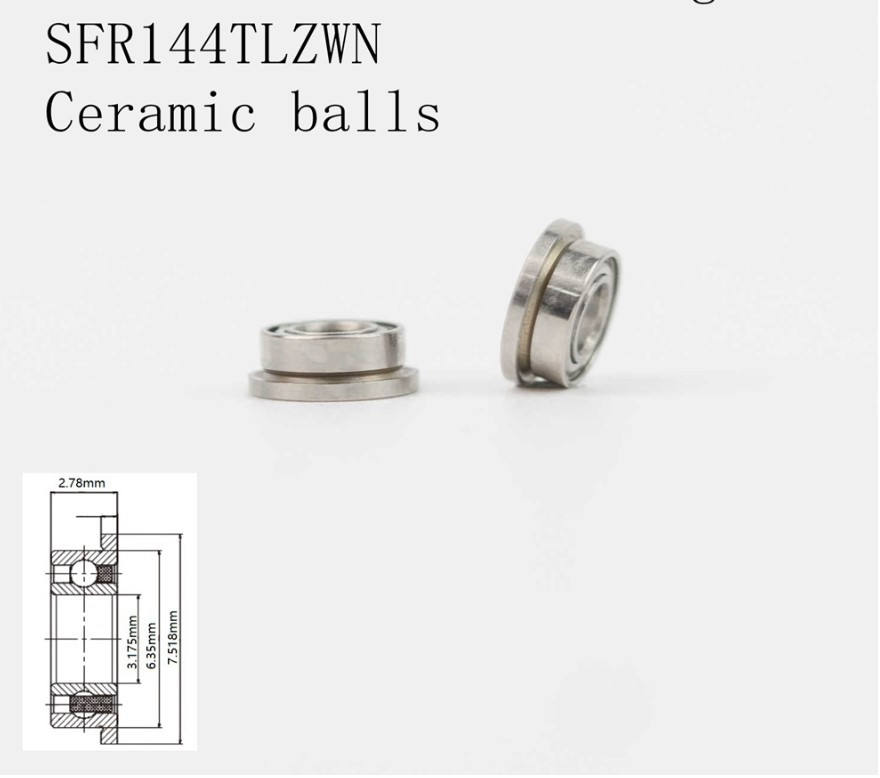
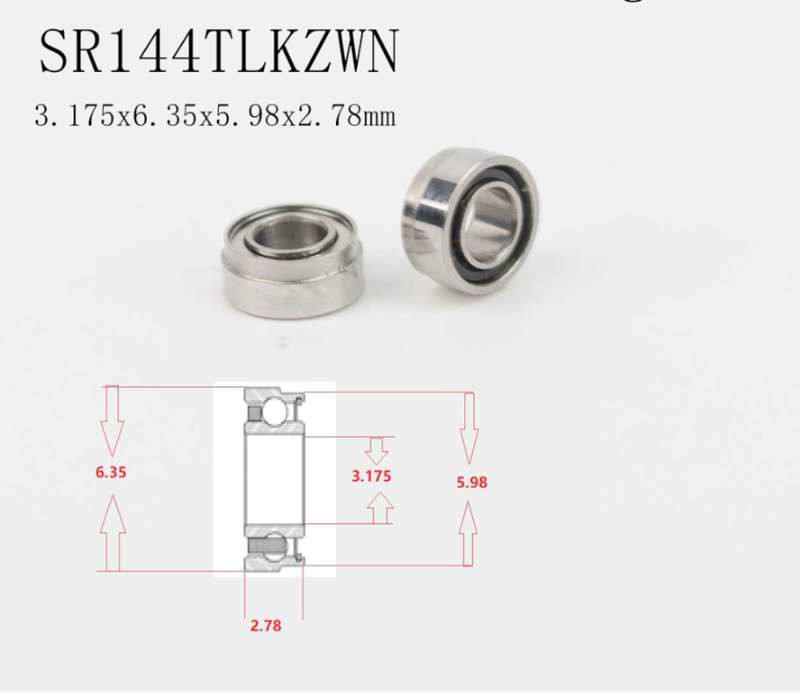
Find the bearing route that matches your dental handpiece, then identify the replacement by its complete model and the code on the removed bearing. This page brings speed categories, handpiece brand routes and bearing identification steps together. A category, brand or matching dimension narrows the search; it does not establish that a particular bearing fits your instrument.
Browse Dental Bearing Categories
- High-speed dental bearings — begin with the turbine or high-speed handpiece model and its old bearing marking.
- Low-speed dental bearings — begin with the low-speed handpiece, motor or attachment designation and the bearing position.
Keep the handpiece assembly in view as you browse. A front bearing and a rear bearing in one assembly may have different requirements; do not select either from the speed label alone.
Find Bearings by Handpiece Brand
Use the handpiece brand directory to find a starting route. The existing NSK, W&H, Sirona, Bien-Air and Star Dental pages help organize a model search. Read the model and assembly markings on your own handpiece before following a brand route. These links do not state that a bearing on this site is made by, approved by, or compatible with that handpiece brand.
Bearing Types and Construction
Type and materials
The bearing type describes how the rolling elements and raceways are arranged. An angular-contact ball bearing has a contact angle relevant to combined radial and axial loading; a type label alone cannot determine the required arrangement or fit. “Ceramic bearing” can also be incomplete: a hybrid bearing may have ceramic balls and steel rings. Identify the balls and rings separately in the exact part document rather than assuming the material of one component describes the whole bearing.
Cage, closure and flange
The cage separates and guides the balls. A shield or seal is a closure feature; its presence and arrangement must be checked for the actual part. A flange changes the outer-ring geometry and may matter to how a bearing locates in an assembly. Compare these features with the removed part and repair documentation rather than inferring them from a similar photograph or code family.
Dimensions and bearing position
Record inner diameter (ID), outer diameter (OD) and width (W) from a reliable drawing or measurement, along with any flange detail. These measurements help screen candidate bearings. They cannot by themselves confirm cage, closure, tolerance, assembly position or handpiece compatibility. Keep front and rear positions separate when documenting a turbine or cartridge.
How to Identify a Replacement Bearing
- Copy the complete handpiece brand, model, suffix and any turbine or cartridge reference exactly as printed.
- Record whether the old bearing came from the front or rear position, if known.
- Copy every character of the removed bearing marking. Photograph both faces when the marking is worn or missing.
- Add an available drawing or measured ID, OD and width. Note where each measurement came from.
- Compare a candidate bearing’s own specification with the old part and the handpiece documentation. A direct model-to-bearing reference should name the exact candidate code and exact handpiece or assembly version.
If the information points to more than one candidate, keep them separate until the construction and direct fit reference resolve the difference. Do not treat a shared brand, nominal size or picture as a final cross-reference.
Product-Specific Information
The category and brand pages above are navigation paths. They are not a verified stock list or a universal cross-reference table. For any candidate item, the useful product record identifies its exact code, drawing or specification, construction, and the scope of any model fit statement. An item should not be presented as a confirmed replacement when that record is unavailable.
Questions to Resolve Before Ordering
What identifies the correct dental handpiece bearing?
Provide the full handpiece and rotor or cartridge model, the old bearing code and suffix, and the front or rear position if known. A direct reference to the exact assembly is stronger than a brand-level match.
Are matching dimensions enough to confirm fit?
No. Bore, outer diameter and width screen candidates, but closure, flange, cage, tolerance, lubrication and assembly requirements also matter. Compare the original part and service documentation before ordering.
Does “ceramic bearing” describe the whole part?
Not necessarily. A hybrid bearing may use ceramic balls and steel rings. Request the construction of the exact candidate code rather than assuming every component is ceramic.
Can a photo alone confirm the replacement?
Photos can narrow the search. Clear markings, measurements and model-specific documentation are still needed for a fit decision. If the evidence is incomplete, ask for a candidate review and keep compatibility unconfirmed.
Request Bearing Identification or a Quote
Use the inquiry form on this page for the handpiece model, old bearing code, front or rear position if known, and required quantity. Use the Email link above to send photos or drawings. State the candidate code if you already have one. The reply can then address that specific part, including its available document, fit evidence, current availability and quotation terms.
You can also use our part inquiry page to send the full model, old bearing code and required quantity.
Part Identification Pages
Use these enquiry pages to record the requested part. Confirm the exact code, drawing and supply scope for any proposed item.